
I thought I had it all figured out…
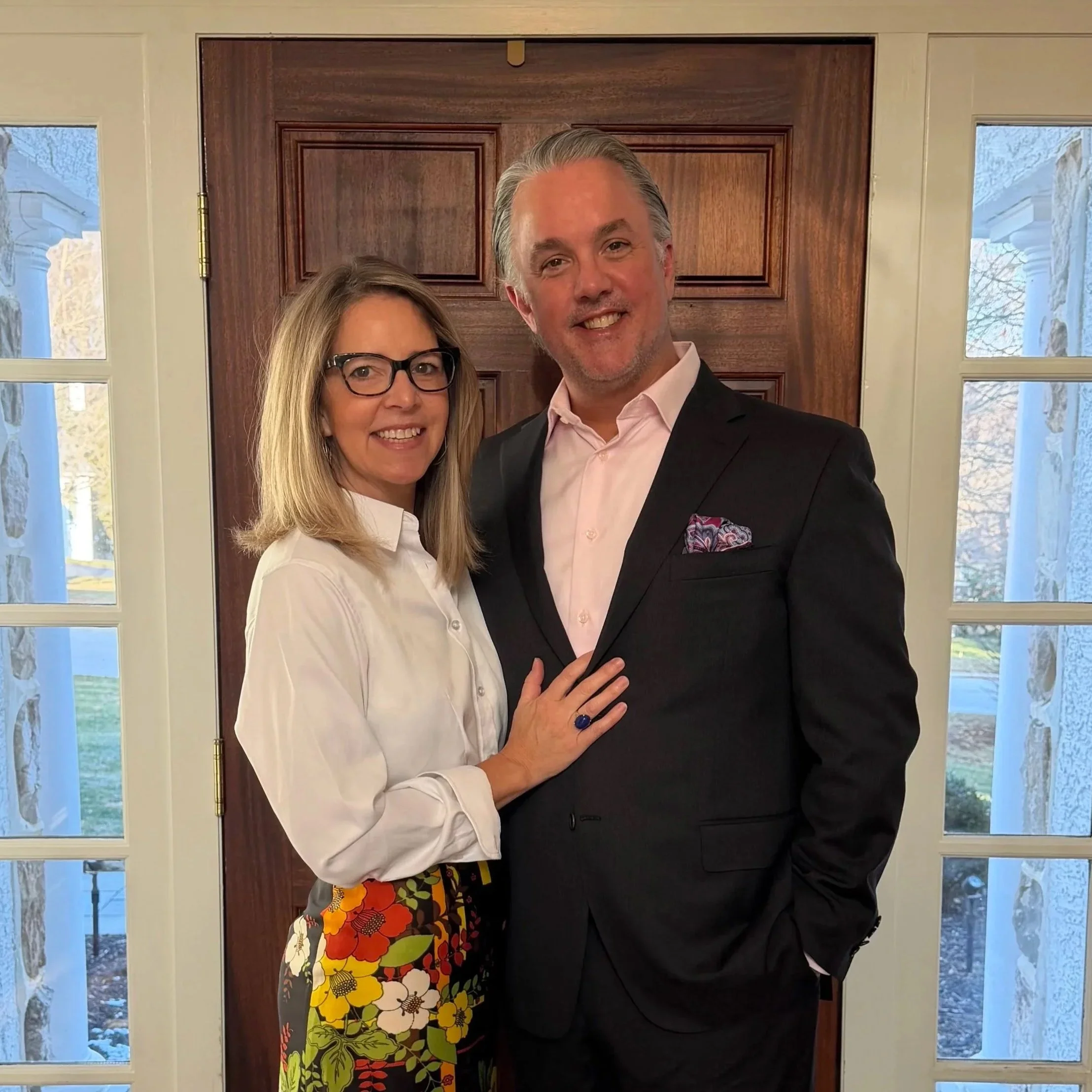
My story, my passion.
I believed I was doing my life’s work. I had reached what I thought was the pinnacle of my career as a clinician and a business owner. First and foremost, I was born to be a clinician. I loved helping people, sitting with complexity, and problem-solving. After many years of experience and a great deal of discernment, my husband and I took a leap of faith and combined our talents to open our own mental health practice.
And then everything changed.
My young nephew’s struggle with severe and sudden mental health symptoms upended much of what I thought I knew to be true. Our team of therapists, psychologist, and psychiatrists, now matter how well-trained, were at a loss. Will’s symptoms increased despite traditional therapeutic and psychopharmacological interventions. His anxiety was all consuming, the tics and OCD were impacting his life, the anger and defiance turned to self harm. He begged for help and no one knew what to do.
Finally, Will was diagnosed with PANDAS—Pediatric Autoimmune Neuropsychiatric Disorder Associated with Streptococcal infection. It’s a long name with an unusual acronym that describes a condition that looks psychiatric in nature—anxiety, rage, tics, OCD, ADHD, oppositional behaviors, food restriction, sleep disturbances, and more—but is actually rooted in immune, gut, metabolic, and nervous system dysfunction.
Will’s symptoms were not the result of cognitive distortions, attachment wounds, learned coping patterns, or trauma. They were triggered by a streptococcal infection early in childhood. This experience gave entirely new meaning to the concept of the mind–body connection.
There are so many children like Will. I had worked with families for years whose children presented with similar symptoms and behaviors—and yet nothing fully explained what we were seeing. Now it has a name: PANDAS/PANS. More importantly, we are beginning to understand that many of the mental health symptoms we see in children today may actually be the immune system’s response to a physical assault—such as strep, COVID, EBV, mycoplasma, Lyme, Babesia, Bartonella, or mold exposure.
As I immersed myself in the research and emerging treatment models, one truth became unmistakably clear: physical and mental health care have become deeply fractured. We now view the human body, our children’s bodies, in parts, when in reality, everything is interconnected.
I am confident it is only a matter of time before many so-called “mental health” diagnoses are more clearly linked to infectious triggers, inflammation, and lifestyle factors.
Today, my clinical team approaches mental health differently. We practice from a truly integrative, whole-person perspective because we cannot separate physical health from mental health.
Personally, I am deeply passionate about creating innovative clinical programming that expands awareness, improves assessment, and supports families holistically. At the same time, I work to educate clinicians—offering a new framework that invites deeper curiosity, integrative thinking, and a more whole-person approach to healing
“I have been in therapy a lot over the years and no one, until now, has asked me about what I eat , how much I sleep or the last time I had my vitamin D checked.”
—recent client.